
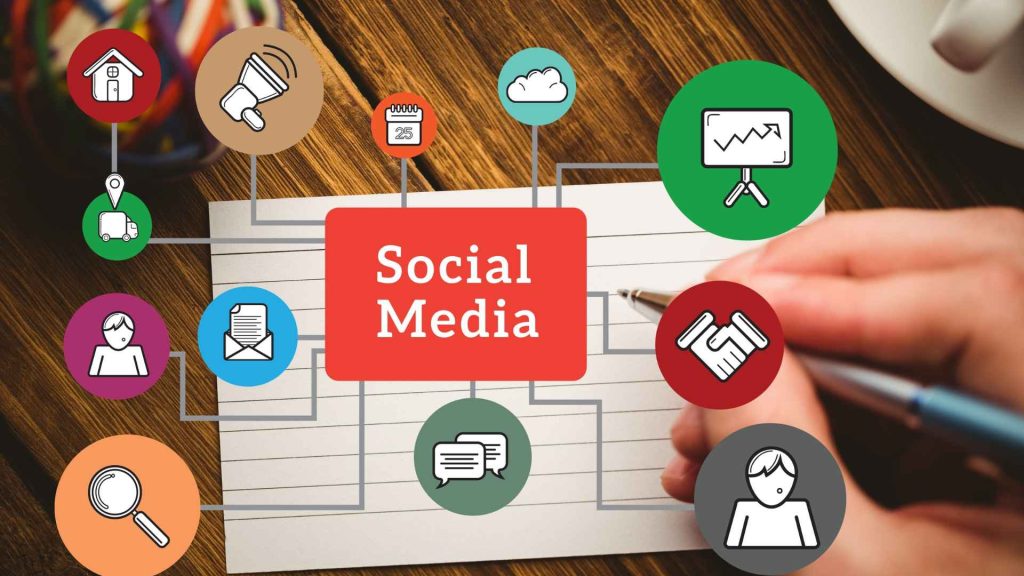
Your customers are already using social media to discover businesses, compare products, ask questions, and make purchasing decisions. If your business has an inconsistent presence or rarely publishes useful content, you could be missing opportunities to reach them.
Social media management in Kenya helps you build and maintain an active presence on platforms where your target customers spend time. It involves planning content, publishing posts, responding to enquiries, managing campaigns, and tracking performance.
Even so, you need more than regular posts to get value from these platforms. Your content and activities should support clear business goals, whether you want to increase brand awareness, attract enquiries, or generate sales. Here’s everything you need to know about social media management and how you can approach it effectively.
Key Takeaways
- Social media management helps you maintain a consistent presence and connect with your target audience.
- Your choice of platforms should depend on your customers, business goals, and the type of content you can produce.
- An effective strategy needs clear objectives, a content calendar, regular engagement, and performance tracking.
- You can manage your accounts in-house, hire a freelancer, or work with a social media marketing agency.
- Tracking enquiries, conversions, and other relevant metrics helps you understand whether your social media activities are delivering value.
What Is Social Media Management in Kenya?
Social media management involves planning, creating, publishing, and monitoring content across your business’s social media accounts. It also covers how you interact with followers, respond to customer enquiries, and evaluate the performance of your activities.
When you manage your social media accounts properly, you have a clear plan for what to publish, when to publish it, and who you want to reach. Your posts also follow a consistent brand voice and visual style.
Social media management services can cover individual tasks such as content creation or account management. A more comprehensive service may include strategy development, community management, paid advertising, and monthly reporting.
Why Is Social Media Management Important?
Your social media presence can influence how potential customers discover and perceive your business. A well-managed account gives people more opportunities to understand what you offer and interact with your brand.
Builds Brand Awareness
Regular, relevant content helps more people become familiar with your business. Your posts can introduce your products, explain your services, share company updates, and communicate what makes your business different.
You can also expand your reach through relevant hashtags, collaborations, and paid campaigns. Consistent branding across your accounts makes it easier for people to recognize your business when they encounter your content.
Creates Direct Communication With Customers
Social media gives your customers a convenient way to contact you. They can ask about prices, request product details, raise concerns, or seek clarification before making a purchase.
Your responses can influence how people perceive your customer service. Responding promptly and providing useful information helps you build trust and maintain better relationships with your audience.
You should also monitor comments and direct messages regularly. Leaving customer questions unanswered can result in missed enquiries and a poor impression of your business.
Supports Lead Generation and Sales
Your social media accounts can direct interested customers to your website, product pages, booking forms, or WhatsApp Business account. Through your content, you can explain the value of your products or services and guide potential customers toward the next step. Paid campaigns can also help you reach people based on relevant targeting criteria.
However, you need to make it easy for interested users to take action. Include clear calls to action and ensure your contact details and links work correctly.
Helps You Understand Your Audience
Your social media accounts provide information about how people respond to your content. You can monitor engagement, reach, video views, clicks, and other available metrics. These insights help you identify the topics your audience finds useful and the formats they respond to most. You can use the information to improve your content plan and make better decisions about future campaigns.
Helps You Maintain a Competitive Online Presence
Your potential customers may compare several businesses before choosing one. An active social media presence gives them more information about your products, services, customer interactions, and brand identity.
You can also monitor what competitors publish and identify gaps in the information available to your audience. Focus on communicating your own strengths rather than copying another business’s content.
Which Social Media Platforms Should Your Business Use?
You don’t need to maintain an account on every social media platform. Your choice should depend on where your target customers spend time and how they prefer to consume content.
Facebook remains a useful platform for reaching a broad audience in Kenya. You can use it to share business updates, promote products, publish videos, run Meta ads, and communicate with customers.
Facebook Pages also give you access to business tools for managing your presence and reviewing performance. If your customers use Facebook to discover local businesses, an active and well-maintained page can support your marketing efforts.
Instagram is useful when your products or services can be presented through photos, short videos, Stories, and Reels. You can use the platform to showcase products, share behind-the-scenes content, publish customer feedback, and communicate your brand personality. Your profile should include an accurate business description and a clear way for interested customers to contact you.
TikTok
TikTok gives you an opportunity to reach users through short-form video content. You can use it to demonstrate products, explain services, answer common questions, and share informative or entertaining content. Fortunately, you don’t need expensive production equipment for every post, but clear visuals and helpful messaging matter.
LinkedIn is particularly useful if your business sells to other businesses or targets professionals and decision-makers. You can share industry insights, company updates, service information, and professional perspectives. A consistent presence can help you build credibility and connect with potential clients, partners, and employees.
YouTube
YouTube works well when your audience needs more detailed information before making a decision. You can publish tutorials, product demonstrations, interviews, customer stories, and educational videos. Your content can also remain discoverable through YouTube search after publication. Plan your videos around questions your potential customers are likely to ask.
WhatsApp Business
WhatsApp Business supports direct communication with customers. You can use its business profile, product catalog, quick replies, and messaging tools to handle enquiries and share relevant information.
You can also direct people from Facebook, Instagram, or your website to WhatsApp when they are ready to contact your business. Make sure you have a process for responding to messages and following up on enquiries.
What Does Social Media Management Involve?
Managing your social media accounts requires ongoing work. The exact tasks depend on your goals and the level of support you need.
Developing a Social Media Strategy
Your strategy establishes what you want to achieve through social media and how you plan to reach your audience. You need to define your target customers, choose suitable platforms, identify your main content themes, and determine which metrics will help you evaluate progress. A clear strategy also helps you avoid publishing content without a specific purpose.
Planning a Content Calendar
A content calendar helps you organize your posts in advance. It outlines what you will publish, which platform you will use, and when each post should go live. Planning ahead makes it easier to maintain consistency and coordinate your content with product launches, promotions, seasonal campaigns, and business updates. Your calendar should leave room for timely posts and relevant developments. You shouldn’t feel compelled to publish content simply to fill a schedule.
Creating Social Media Content
Content creation involves preparing the materials you publish on your accounts. These may include graphics, photographs, videos, captions, carousels, and short-form videos. Your content should reflect your brand identity and address the interests or needs of your audience. Keep your messaging clear and make sure each post has a purpose. You should also adapt content to the platform rather than publishing identical posts everywhere without considering format and audience expectations.
Scheduling and Publishing Posts
Scheduling tools allow you to prepare posts and set publication times in advance. This helps you maintain a consistent posting schedule and reduces the need to publish every post manually. You still need to review scheduled content before it goes live. Check captions, links, images, dates, and any information that may have changed since you prepared the post.
Community Management
Community management covers how you interact with people who engage with your business online. It includes responding to comments, answering direct messages, acknowledging feedback, and addressing customer concerns. Your responses should be timely, helpful, and consistent with your brand’s communication style. You should also know when to move sensitive customer issues into a private conversation.
Managing Paid Social Media Campaigns
Organic content helps you build an audience over time, while paid campaigns can extend your reach and target specific groups of users.
You can use advertising to promote products, generate leads, increase website traffic, or encourage people to contact your business. Campaign management involves selecting an objective, defining an audience, preparing creative materials, setting a budget, and monitoring results.
Monitoring Performance and Preparing Reports
Performance monitoring helps you understand how your social media activities are progressing. You can review metrics such as reach, engagement, profile visits, link clicks, enquiries, and conversions.
Your reports should connect these figures to your business goals. A rise in followers may indicate increased visibility, but it does not automatically mean you are generating more customers. Review your results regularly and use the findings to improve your content and campaigns.
How to Develop an Effective Social Media Strategy in Kenya
You need a strategy that reflects your business goals and the way your target customers use social media. Follow these steps to build a practical plan.
1. Define Your Business Goals
Start by identifying what you want social media to achieve. You may want to increase brand awareness, attract qualified leads, generate sales, or improve customer communication. Set measurable targets where possible. Clear goals will help you decide what content to publish and which metrics to monitor.
2. Identify Your Target Audience
Establish who you want to reach. Consider their location, interests, needs, purchasing behavior, and the problems your products or services can solve. You should also understand which platforms they use and what information they expect from businesses in your industry.
3. Choose the Right Platforms
Select platforms based on your audience and business objectives. Focus on maintaining a strong presence on the channels most relevant to your customers instead of spreading your resources across too many accounts. You can expand to additional platforms as your content production and management capacity improves.
4. Establish Your Content Themes
Decide which subjects your business will cover consistently. Your content themes should reflect your products or services while addressing the questions and interests of your audience. You can balance promotional posts with educational content, company updates, and material that encourages meaningful interaction.
5. Set a Realistic Publishing Schedule
Determine how frequently you can create and publish quality content. Your schedule should account for the time and resources available to your team. Consistency matters more than publishing large volumes of content that you cannot maintain. Review your schedule as you learn which formats and posting times work best for your audience.
6. Track Results and Improve Your Strategy
Review your performance against the goals you established. Identify which posts generate useful engagement, which campaigns attract enquiries, and where your audience drops off. Use these findings to adjust your content, targeting, and publishing schedule. Your strategy should develop as your business and audience change.
Should You Manage Social Media In-House or Hire a Professional?
You can manage your social media accounts internally or get external support. The right option depends on your budget, available skills, and the amount of work involved.
Managing Social Media In-House
In-house management gives you direct control over your content and customer interactions. Your team also has access to internal business information, which can make it easier to prepare accurate and timely posts.
However, you need employees with the skills and time to plan content, create graphics, manage accounts, and monitor performance. These responsibilities can become difficult to maintain when your team has other priorities.
Hiring a Freelancer
A freelancer can help you handle specific social media tasks without bringing on a full-time employee. You might hire someone to create content, design graphics, schedule posts, or manage your accounts. Before hiring, establish the tasks they will handle, the expected deliverables, and how you will review performance. You should also agree on communication and approval processes.
Working With a Social Media Marketing Agency
A digital marketing agency can provide a broader range of social media marketing services under one arrangement. Depending on your agreement, you may receive support with strategy, content creation, account management, advertising, and reporting. You should assess the agency’s experience, portfolio, communication process, and understanding of your business goals before making a decision.
Common Social Media Management Mistakes to Avoid
Even with regular posting, your social media activities may deliver limited value if you overlook important management practices.
Watch out for these common mistakes:
- Publishing without a strategy: Posting randomly makes it difficult to connect your content to specific business goals.
- Using every platform: Managing too many accounts can stretch your resources and reduce content quality.
- Focusing only on promotions: Constant sales messages may discourage people from engaging with your content.
- Ignoring comments and messages: Unanswered questions can lead to missed enquiries and weaken customer relationships.
- Buying followers or engagement: Artificial activity doesn’t give you a reliable audience or meaningful customer relationships.
- Failing to track performance: Without reviewing your results, you may continue spending time and money on activities that do not support your goals.
Review your approach regularly and address problems as they arise. A manageable strategy with clear objectives is more useful than an ambitious schedule you cannot sustain.
How Much Does Social Media Management Cost in Kenya?
The cost of social media management in Kenya depends on the services you need, the number of platforms you want to manage, and the amount of content required each month.
A basic arrangement may cover account management and a limited number of posts. More comprehensive packages may include original graphics, video production, community management, paid campaign management, and performance reporting.
You should also distinguish between management fees and advertising budgets. The management fee covers the work involved in running your accounts, while your advertising budget pays for campaigns on platforms such as Facebook and Instagram.
Before choosing a service, establish which tasks are included and whether content production, photography, video editing, and advertising management attract additional charges.
Get Expert Social Media Management Services from Artly Digital
Your social media accounts can help you reach potential customers, communicate with your audience, and generate business enquiries. Getting value from them requires a clear strategy, consistent content, and regular interaction with the people who follow your brand.
If you need help managing your accounts, Artly Digital Marketing can help you develop a social media strategy, create relevant content, and manage your online presence. Contact our team to discuss your social media marketing needs.
FAQs
What is included in social media management?
Social media management can include strategy development, content planning, graphic design, video creation, scheduling, publishing, community management, paid campaign management, and performance reporting. The exact services depend on your agreement with the provider.
How often should you post on social media?
Your posting frequency depends on your platform, audience, content capacity, and business goals. Establish a schedule you can maintain and review engagement to determine whether you need to adjust it.
Which social media platform is best for your business in Kenya?
The best platform depends on your target audience and what you sell. Facebook and Instagram support broad consumer marketing, TikTok helps with short-form video discovery, and LinkedIn is useful for reaching professionals and businesses.
Can social media management help you generate sales?
Yes. Your social media accounts can introduce your products or services, answer customer questions, and direct interested users to your website or contact channels. Your results depend on your content, audience, offer, and sales process.
Should you hire a social media manager or manage your accounts yourself?
You can manage your accounts yourself if you have the time and relevant skills. Hiring a freelancer or agency may be more suitable when you need consistent content production, strategic planning, advertising support, or ongoing account management.